

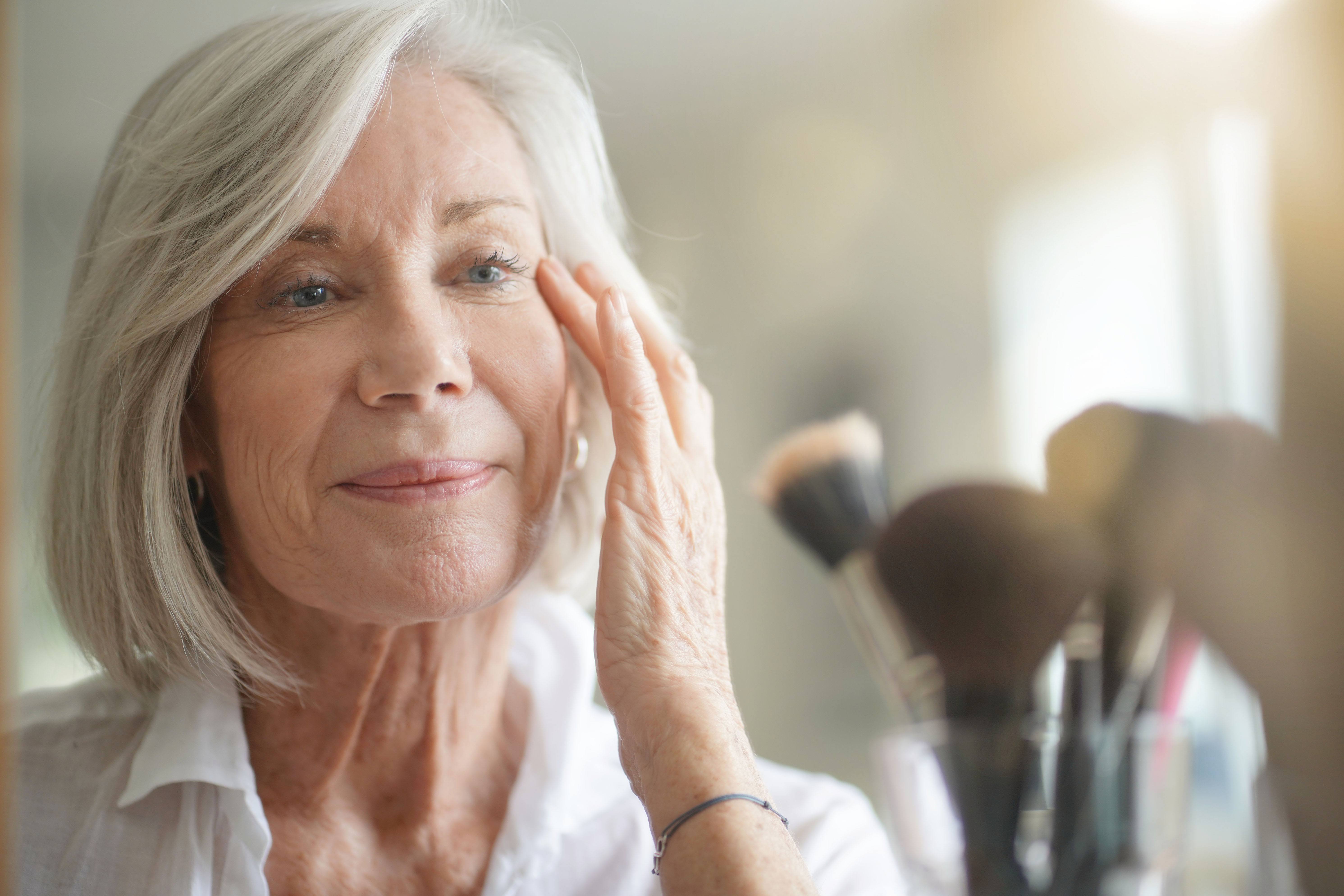
As we age, our skin undergoes many changes. It becomes thinner, drier, and less elastic, which can lead to wrinkles, age spots, and a duller complexion. But while we can’t stop the clock, there are plenty of ways you can care for your skin to keep it healthy, glowing, and youthful-looking. Healthy skin is not just about appearance—it’s also an important barrier that protects against infection and helps regulate body temperature. With the right skincare routine and habits, you can maintain radiant, nourished skin for years to come.
1. Moisturize, Moisturize, Moisturize!
One of the most noticeable changes in our skin as we age is dryness. As we get older, our skin produces less oil, leading to dry, flaky, or itchy skin. Dry skin is also more prone to irritation and damage, so moisturizing is key to maintaining healthy skin. Use a thicker, richer moisturizer: Look for creams or ointments that are specifically formulated for dry or aging skin. These are often thicker than lotions and will help lock in moisture. Apply immediately after bathing: Skin absorbs moisture best when it is still damp, so apply your moisturizer right after a shower or bath to help seal in hydration. Consider oils: Products containing natural oils, like jojoba oil, coconut oil, or argan oil, are excellent for providing deep moisture.
2. Gentle Cleansing
As skin ages, it becomes more delicate. Harsh soaps and scrubbing can strip the skin of essential oils and moisture, leaving it irritated and dry. Instead, opt for gentle, hydrating cleansers that don’t disrupt the skin's natural barrier. Choose fragrance-free: Fragrances can be irritating, especially for sensitive skin. Look for cleansers that are free from artificial perfumes or dyes. Avoid hot water: While a hot shower can feel relaxing, hot water can further dry out the skin. Stick to lukewarm water to help preserve your skin’s moisture. Be gentle: Use your fingertips to apply cleanser, and avoid rough washcloths or sponges that could cause irritation.
3. Sun Protection is a Must
Sunscreen is important at any age, but it becomes especially crucial as we get older. As we age, our skin becomes more vulnerable to the damaging effects of the sun, including sunburn, wrinkles, and age spots. Over time, cumulative sun exposure can also increase the risk of skin cancer. Choose a broad-spectrum sunscreen: Look for a sunscreen that protects against both UVA (aging) and UVB (burning) rays. SPF 30 or higher is recommended for daily use. Apply generously: Don’t skimp on sunscreen—make sure to apply it to all exposed skin, including your face, neck, hands, and any other areas that will be exposed to the sun. Reapply regularly: If you’re outside for extended periods, make sure to reapply sunscreen every two hours, especially if you're swimming or sweating.
4. Hydrate from the Inside Out
Skin is the largest organ in the body, and just like any other organ, it requires proper hydration to stay healthy. Drinking plenty of water throughout the day helps maintain skin elasticity, prevent dryness, and promote a glowing complexion. Aim for 8 glasses a day: Drinking plenty of water is one of the simplest and most effective ways to keep your skin hydrated. If you find it difficult to drink plain water, try adding a slice of lemon or cucumber for flavor. Eat water-rich foods: Include fruits and vegetables with high water content in your diet, such as cucumbers, watermelon, and oranges. These not only hydrate your skin but provide essential vitamins and antioxidants.
5. Fight Age Spots and Wrinkles
Age spots, also known as liver spots or sun spots, are common in older adults. These brown or darkened patches are caused by prolonged sun exposure over the years. Wrinkles and fine lines also become more noticeable as the skin loses collagen and elasticity.
– Use products with retinol: Retinol, a form of vitamin A, can help reduce the appearance of wrinkles and age spots by encouraging skin cell turnover and boosting collagen production. Retinol can be drying, so start with a lower concentration and use it a few times a week to see how your skin reacts.
– Consider Vitamin C: Vitamin C is a potent antioxidant that helps brighten the skin and even out skin tone. Look for serums or moisturizers containing vitamin C to help reduce the appearance of age spots and boost your skin’s radiance.
– Hydroquinone for age spots: Hydroquinone is a skin-lightening agent that can help lighten dark spots. Be sure to use it under the guidance of a dermatologist, as it can cause irritation in some individuals.
6. Gentle Exfoliation
Exfoliation helps remove dead skin cells that can build up on the surface, leading to dull-looking skin. However, as we age, our skin becomes thinner and more sensitive, so it’s important to exfoliate gently. Use a mild exfoliant: Choose a gentle exfoliating scrub or an enzyme-based exfoliant that won’t damage your skin. Avoid harsh scrubs with large or rough particles, which can create microtears in the skin. Exfoliate once a week: Exfoliating too frequently can irritate your skin, so stick to once a week or every other week. Pay attention to how your skin responds and adjust accordingly.
7. Take Care of Your Hands and Neck
The hands and neck are two areas that often show signs of aging before the face does, yet they are frequently overlooked in skincare routines. Hand care: Hands are exposed to the sun and elements throughout the day, making them prone to dryness and age spots. Moisturize your hands regularly, and don’t forget to apply sunscreen to them when you go outside. Neck care: The skin on the neck is thinner and more delicate, so it can show wrinkles and sagging faster. Extend your facial skincare routine down to your neck, applying moisturizer, sunscreen, and other anti-aging treatments to this area as well.
8. Sleep on It
A good night’s sleep is essential for skin health. During sleep, the body repairs itself, including the skin. Lack of sleep can lead to dull skin, under-eye circles, and an increase in fine lines and wrinkles.
– Get enough rest: Aim for 7-9 hours of sleep each night. Not only will this benefit your skin, but it will also improve your overall health.
– Use a silk pillowcase: Silk pillowcases cause less friction on the skin compared to cotton, which can help reduce the appearance of sleep lines and prevent wrinkles over time.
Conclusion
Caring for your skin as you age doesn’t have to be complicated, but it does require some attention and dedication. By moisturizing regularly, protecting your skin from the sun, staying hydrated, and using gentle yet effective skincare products, you can maintain healthy, glowing skin throughout your senior years. Remember, healthy skin is a reflection of overall well-being, so be sure to take care of your skin both inside and out. With the right approach, you can enjoy soft, smooth skin that feels as good as it looks!